.png?width=1280&height=654&name=SpringCypress%20(3).png)
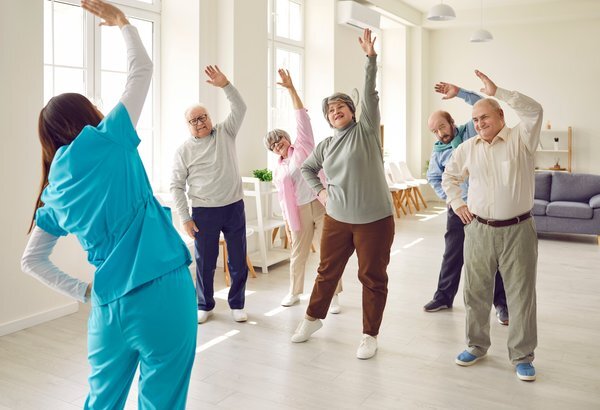
Staying physically active becomes increasingly important with age, supporting both physical health and emotional well-being. Thoughtful senior exercise routines can help older adults maintain mobility, improve balance, and enjoy a more comfortable daily life. Whether someone is living independently or in a supportive community, the right approach can make a meaningful difference.
Creating a safe and effective plan starts with understanding personal needs, preferences, and abilities. With the right structure and guidance, older adults can enjoy the benefits of movement while minimizing unnecessary risk.
Understanding Individual Fitness Levels and Health Considerations
Before beginning any new exercise for seniors, consulting with a healthcare provider is crucial. A professional evaluation can help identify any conditions that may influence exercise choices. These may include arthritis, heart concerns, or balance challenges. This step helps ensure that senior fitness programs are both safe and appropriate.
Each person approaches fitness differently. Some older adults may feel comfortable starting with moderate movement, while others benefit from slower, more gradual progress. A custom plan should consider:
- Current fitness level and previous experience with exercise
- Past injuries or ongoing health conditions
- Mobility limitations or balance concerns
- Personal preferences for certain types of movement
At Spring Cypress, residents in Assisted Living and Memory Care often benefit from structured senior wellness programs. These are fully adaptable to individual needs. Starting at the right level helps build confidence while reducing the risk of strain or injury.
Choosing the Right Types of Exercise for Seniors
A well-rounded plan includes a mix of movement types to support overall wellness. Combining different exercises for older adults creates a balanced approach. This will promote strength, flexibility, and endurance.
- Cardiovascular exercise: Walking paths, light group classes, or water-based programs help improve heart health and stamina.
- Strength training: Light weights, resistance bands, or bodyweight exercises support muscle tone and bone health.
- Balance exercises: Simple movements such as standing on one foot or guided balance programs help reduce fall risk.
- Flexibility and stretching: Gentle stretching or yoga-inspired movement helps maintain range of motion and ease stiffness.
Starting with short sessions of 10 to 15 minutes and gradually increasing duration allows the body to adjust comfortably. Many senior fitness programs at communities like Spring Cypress incorporate these elements into daily programs, making consistency simple.
Establishing Safe Exercise Practices and Precautions
Safety should always come first when building senior exercise routines. Beginning with a warm-up prepares muscles and joints, while a proper cool-down supports recovery and reduces soreness.
Creating a safe environment is just as important as choosing the right exercises. Helpful precautions include:
- Staying hydrated throughout exercise, even if thirst is not noticeable
- Wearing supportive, non-slip footwear
- Exercising in well-lit, clutter-free spaces
- Keeping a phone nearby or participating in group programs for added support
Recognizing warning signs is important. You should never ignore symptoms like chest discomfort, dizziness, or unusual fatigue. Listening to the body helps prevent overexertion and encourages long-term success.
Building Consistency with a Realistic Routine
Consistency is key with exercise for seniors. Many experts recommend working toward about 150 minutes of moderate movement each week, spread across several days. Shorter sessions throughout the day can be just as effective as longer workouts.
Creating a routine that fits naturally into daily life helps build lasting habits. Some older adults prefer morning movement, while others have more energy later in the day. Tracking progress in a calendar or journal can provide motivation and highlight improvements over time.
At Spring Cypress, residents have access to structured senior wellness activities and group programs that make staying active more enjoyable. These shared experiences also offer social connection, an important part of overall well-being.
Adapting and Progressing Over Time
An effective fitness plan should evolve as needs change. Regularly reassessing goals and comfort levels helps determine when to adjust intensity, try new exercises, or maintain a steady routine.
Progress can look different for everyone. It may mean increasing repetitions, extending workout time, or simply maintaining strength and mobility. Some days will feel easier than others, and that flexibility is part of a healthy approach.
Working with experienced professionals, like fitness instructors or therapists familiar with exercises for seniors, can provide additional guidance. Their expertise helps ensure that routines remain safe, engaging, and effective over time.
Building safe, enjoyable senior exercise routines supports independence, confidence, and overall quality of life. With the right plan in place, older adults can continue to move with purpose and comfort each day.
Find compassionate care tailored to you or yourloved one's needs at Spring Cypress. Schedule a personalized tour today.